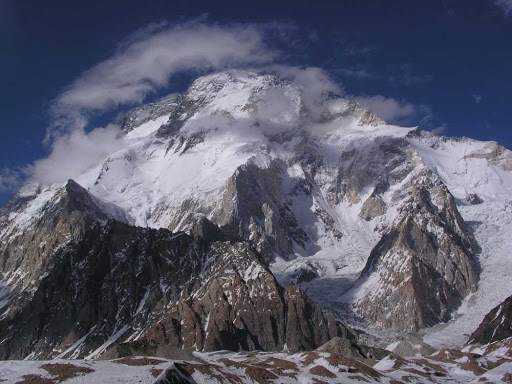
Broad Peak. The world's 12th highest mountain, located in the Karakoram range of Pakistan. 8,051 metres. Our first 8,000-metre peak.
The team was five of us: Scott McKensie, Rob Adie, Ben Wolsenholme, John Roberts and myself. Scott runs a climbing website and has extensive experience across the UK, Scotland, Alps and Himalaya. Rob works for the British Mountaineering Council with over 300 logged Scottish climbing routes. Ben is a former English climbing champion. John is a Teach First associate. And me, running outdoor education at a Swiss international school with climbing experience worldwide.
The plan was straightforward on paper. Six weeks trekking the Baltoro glacier and climbing Broad Peak without guides, without porters above base camp, and without supplemental oxygen. The route typically requires about 50 days to complete. We would be entirely self-sufficient above base camp — carrying our own loads, fixing our own camps, making our own decisions.
The challenges started long before the mountain. Pakistani bureaucracy and a volatile political situation made logistics complicated. The costs were significant and the gear list was enormous. Getting to base camp itself is an adventure — days of travel through areas where kidnapping is a genuine risk, followed by a long glacier trek to reach the foot of the mountain.
Then there's the altitude. None of us had been above about 7,000 metres before. The gap between 7,000 and 8,000 is not linear. Everything above 7,500 is a different world — your body is deteriorating, your brain isn't working properly, and every decision matters more. We trained hard but you can't truly prepare for that.
The expedition lasted six weeks. We made multiple attempts on the mountain, pushing higher each time as our bodies acclimatised. The weather was typically unstable — windows of opportunity opening and closing, forcing decisions about when to commit and when to retreat.
In the end, the team achieved a 25% success rate — summiting 2 peaks out of 8 attempts. That might not sound impressive, but it compares favourably to the typical 14% success rate for climbers using supplemental oxygen and high-altitude porters. We did it without either.
I didn't personally summit. That's the honest truth. The mountain decided that day wasn't mine. But the experience of being in the Karakoram, living at altitude for weeks, making decisions that genuinely matter — that was worth every difficult moment.
We returned with all fingers, toes and friendships intact. All of us enriched by an incredible experience. Much respect and admiration for everyone involved in an outstanding expedition. The team raised money for the Disasters Emergency Committee to support Pakistani flood relief efforts from the previous year, which gave the whole trip a purpose beyond our own ambitions.